Border Blaster Radio #5 today!
December 17, 2015
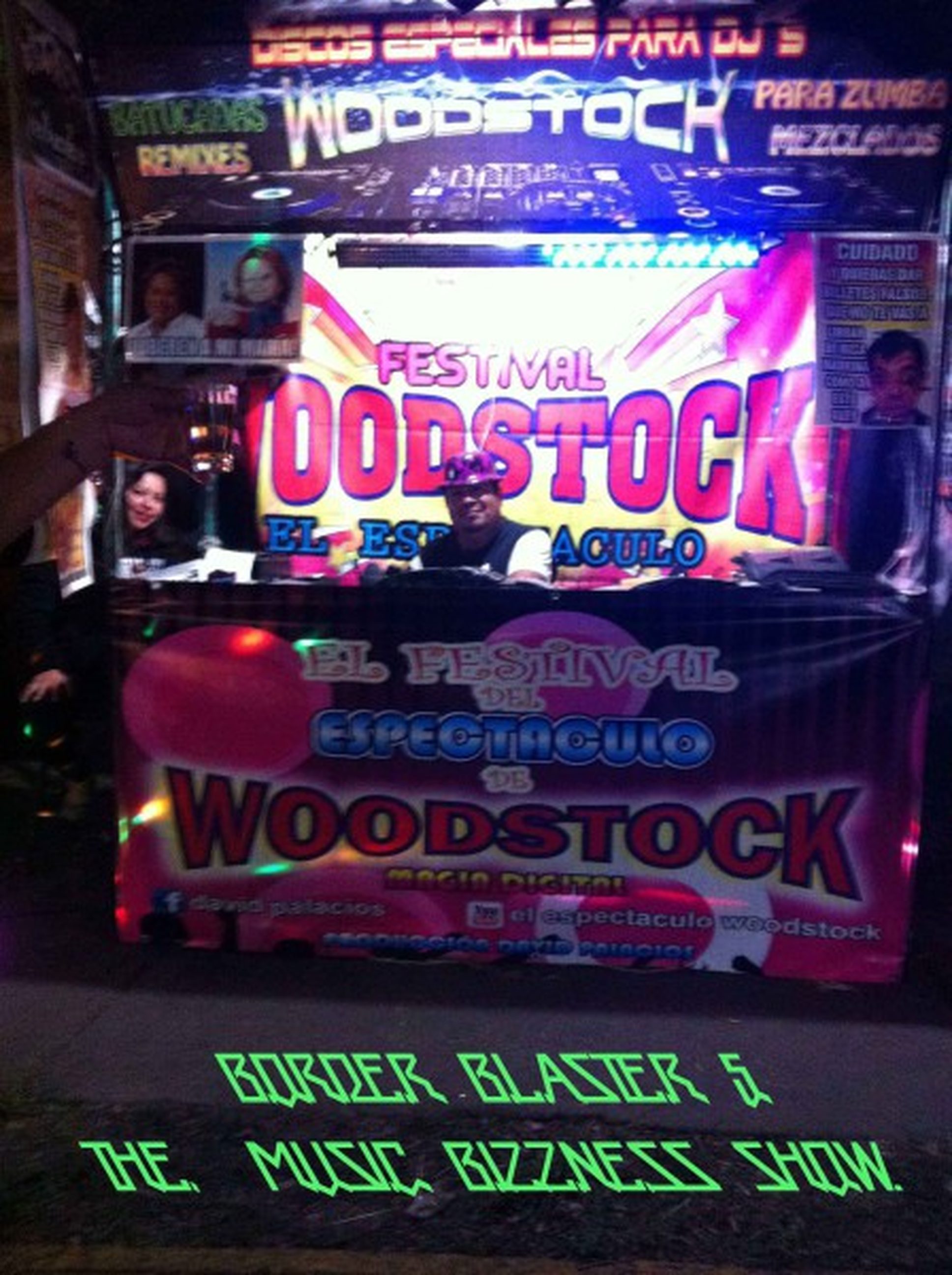
Thursday/Viernes 17.12.2015
When: 4-6PM (MX)
Listen: Stream
here
.
Where: Centro de Cultura Digital,
Paseo de Reforma s/n Esquina Lieja, Cuauhtemoc, Juárez, 06600 Ciudad de México, D.F.
Who: Diego Aguirre (Escuchatorio, CCD), Lucia Anaya (Boiler Room MX, Vice MX), Norma Patricia Pineda (Mutec MX), Monica Saldaña (Nrml Festival), Alfonso Muriedas (Nrml Festival), Sara Lehn, Chicharron
Public & Free: yes!
Show #3 “Wie der daliegt, der Kunde”
December 7, 2015
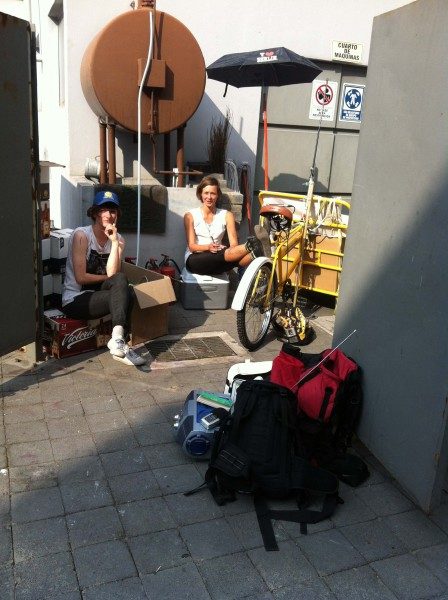
live fm transmission & sell out outside/inside Goethe Institut –
Friday 11.12.2015
Goethe Institute Mexico D.F.
w/Sara Lehn, Chicharron, Atz Theke
Border Blaster con Getto Blaster vs Goethe Blaster con Getto Institut?
How do you get into Goethe Institut? Maybe only via so called German culture. So we brought some.
Border Blaster #3 Goethe Institut Show
December 4, 2015
#2 Cultural Science Fiction NOFM Hack
December 2, 2015
show #1
November 26, 2015
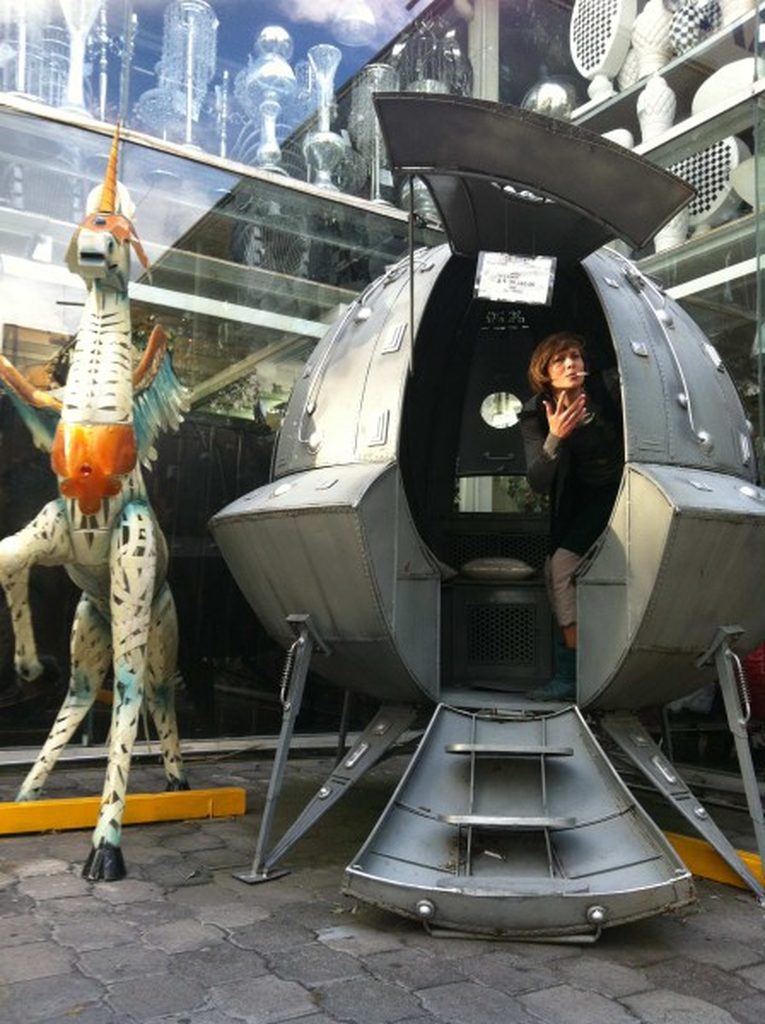
border blaster ¿que passolino?
November 23, 2015

The archive pages of this site hold a layered history of experimental music and performance art that stretches across borders and decades. From broadcast interventions to intimate concerts, each entry captures a moment when sound and space collided in unexpected ways. The project archive serves as both a record and a living document, inviting visitors to trace the threads connecting early cassette culture with contemporary digital transmission. Browsing through these entries reveals a network of collaborations that ignore national boundaries, favoring instead the shared language of noise, rhythm, and collective listening. What emerges is not a linear timeline but a constellation of events that continue to resonate.
Radio has always been a central medium for the artists documented here, functioning as both broadcast platform and conceptual tool. Border-crossing transmissions, live fm interventions, and streaming experiments appear throughout the archive, each reimagining what radio can be when removed from commercial constraints. These projects treat the airwaves as a public commons, open to interference, collaboration, and chance. The recordings and documentation preserved here capture not just the audio itself but the context of its transmission: the time of day, the geographic coordinates, the presence of an audience gathered around a receiver. Each broadcast becomes an event, a temporary community formed through signal and static.
The visual identity of this archive mirrors the aesthetic of its contents: printed matter, hand-drawn posters, and photocopied zines sit alongside digital documentation. Many entries reference physical artifacts that accompanied performances and releases, from limited edition cassettes to screen-printed flyers. This attention to materiality reflects a broader commitment to the tactile dimensions of music and art production. Even as the archive moves online, it retains the texture of its analog origins, with scans of original artwork and photographs of handmade objects filling the gaps between text descriptions. The result is a hybrid space where the digital meets the handcrafted, preserving the warmth of physical media within the cool infrastructure of the web.
Among the recurring figures in these pages are artists who work at the intersection of sound, performance, and social space. Their projects often blur the line between artist and audience, turning concerts into participatory events and recordings into open documents. The archive captures performances that took place in galleries, cultural centers, and unconventional venues, each shaped by its specific location and community. These entries suggest a network of practitioners who share not only aesthetic sensibilities but also a commitment to accessibility and experimentation. The documentation is often sparse, leaving room for interpretation and discovery, inviting visitors to imagine the sounds and atmospheres that once filled these spaces.
This archive also functions as a resource for understanding how independent music networks have evolved across decades and continents. The entries trace movements of artists between cities, festivals, and collaborative projects, mapping an underground geography that operates outside mainstream cultural circuits. From cassette exchanges to streaming broadcasts, the methods of distribution and documentation have shifted, but the core impulse remains: to create and share work that challenges conventions. Visitors to this section can follow these connections, discovering how a performance in one city led to a collaboration in another, how a radio show spawned a festival, how a single release rippled outward through a community of listeners and makers.