
A roster page for a music-oriented platform typically functions as a living directory, listing the artists currently represented, recently added, or scheduled for upcoming performances. Rather than a static catalogue, it often reads like a working document, with entries shifting as new collaborations form and touring cycles evolve. Visitors scrolling through such a list usually scan quickly for familiar names while keeping an eye out for unfamiliar acts worth investigating further.

The variety visible in a roster can say a lot about the platform's curatorial instincts. When dozens of acts appear side by side, ranging across continents, languages, and sonic territories, the page becomes a snapshot of a particular taste or community rather than a comprehensive industry database. Some rosters lean heavily into experimental electronics, others toward garage rock or global folk traditions, and the best ones suggest an editorial sensibility behind the inclusions.

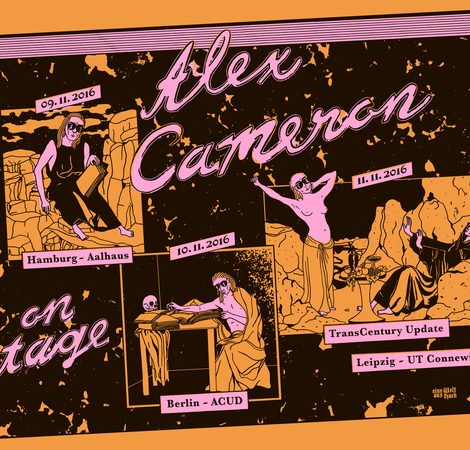
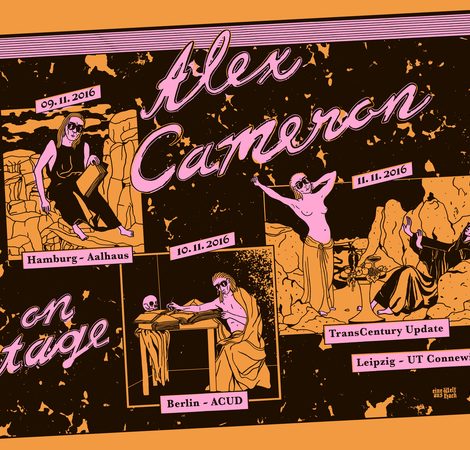
Live performance remains the connective thread for most independent music rosters, even when the acts themselves work primarily in studios or on streaming platforms. A roster page quietly communicates which artists are touring, which are between dates, and which might be considering a new run of concerts. For venues, promoters, and curious listeners alike, the list serves as a starting point for conversations about programming, bookings, and shared listening habits.

Independent scenes tend to develop their own informal networks, and a roster often reflects the overlapping friendships and shared bills that knit a community together. Artists who tour together, release on common labels, or share rehearsal spaces frequently appear clustered across a single platform's listings. Reading the names, one can sometimes trace the shape of a scene through the recurring collaborators and recurring venues mentioned in passing.

Updating a roster is a constant task, since lineups shift quickly, members change, and new projects emerge from old ones. A well-maintained page quietly signals that the people behind it are paying attention to the working lives of musicians, not only their recorded output. For a visitor, checking the roster between visits can become a small ritual, a way of staying loosely connected to a world of sound that keeps rearranging itself.